Signs Your Sidewalks, Driveways, or Patios Need Resurfacing
Signs your sidewalks, driveways, or patios need resurfacing include cracks, uneven surfaces, or fading, and experienced local contractors can restore their safety and appearance.
Noticing cracks, uneven surfaces, or fading colors on sidewalks, driveways, or patios can be more than just cosmetic concerns-these signs might indicate underlying issues that could worsen over time. Property owners in the area often explore resurfacing options to restore safety, improve curb appeal, and prevent costly repairs down the line. Whether it's a weathered driveway showing signs of wear or a patio with visible cracks, understanding when resurfacing is needed can help maintain the property's value and functionality.
Local contractors who specialize in sidewalk, driveway, and patio resurfacing are equipped to handle these common issues efficiently. They can assess the condition of the existing surface and recommend solutions to refresh and reinforce the area. Keeping an eye out for these signs and knowing when to seek expert help can ensure that outdoor spaces remain attractive and safe for years to come. Keep reading to learn more about identifying the warning signs that indicate resurfacing may be the right choice.
- Sidewalk resurfacing may be needed when cracks, uneven surfaces, or trip hazards become noticeable, and local contractors can restore safety and appearance.
- Driveway resurfacing is often required when potholes, widespread cracking, or surface deterioration appear, with service providers offering durable solutions to extend its lifespan.
- Patio resurfacing becomes necessary when fading, staining, or surface damage reduce its aesthetic appeal, and local specialists can refresh the area efficiently.
- Signs your sidewalks, driveways, or patios need resurfacing include visible cracks, surface erosion, or discoloration, prompting local pros to evaluate and recommend appropriate repairs.
- Resurfacing services are suitable when existing surfaces show signs of wear or damage, with local contractors providing options to improve functionality and curb appeal.
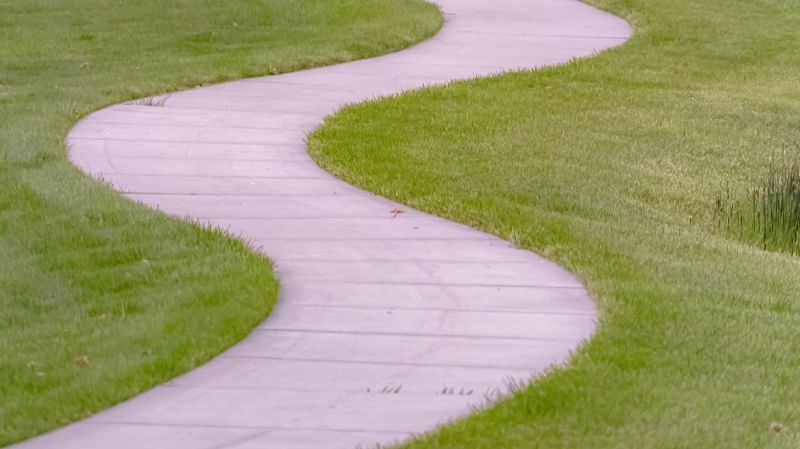
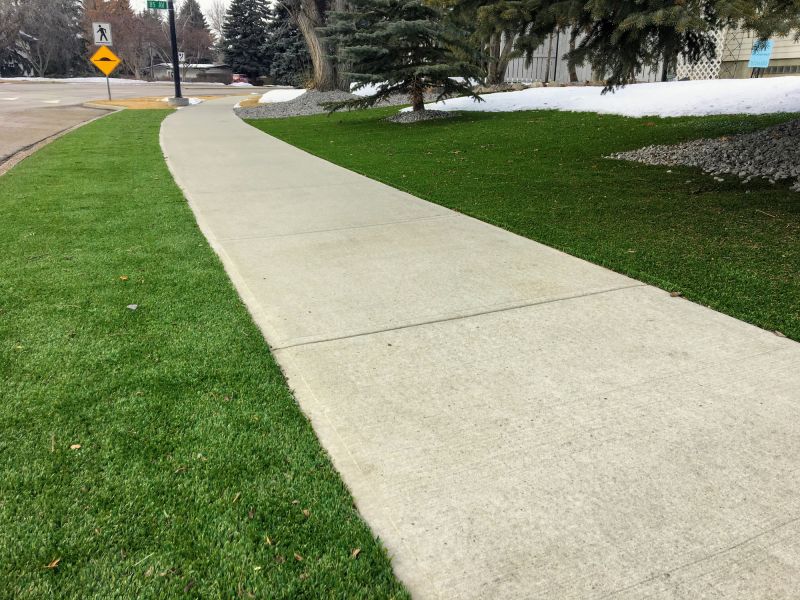
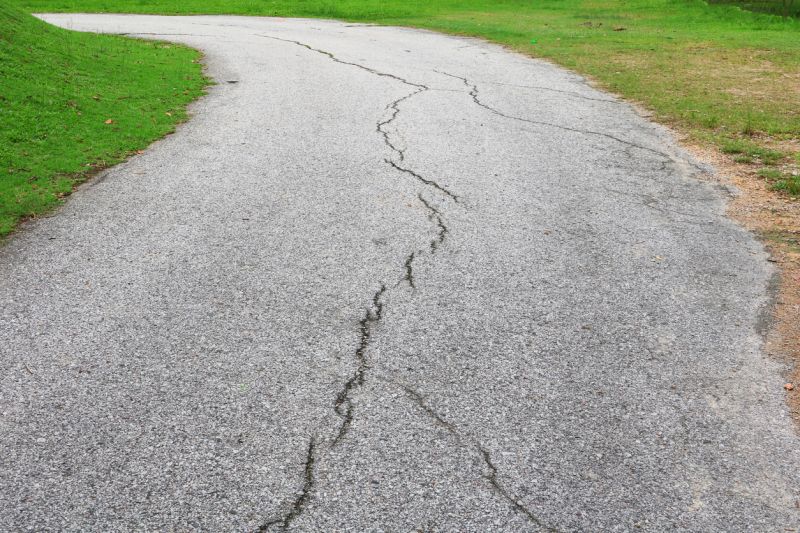
When homeowners search for signs their sidewalks, driveways, or patios need resurfacing, they are often noticing visible indicators of wear and deterioration that can impact both safety and appearance. Common concerns include cracking, chipping, or spalling concrete that signals the surface is aging or has been subjected to heavy use or weather damage. These signs suggest that the existing surface may no longer provide a smooth, even footing, increasing the risk of trips and falls. Recognizing these issues early can help property owners determine whether resurfacing or repair work is necessary to restore the functionality and look of their outdoor spaces.
The problems related to worn or damaged concrete surfaces often stem from natural aging, ground movement, or exposure to harsh weather conditions. Over time, concrete can develop cracks, uneven patches, and surface scaling, which diminish the structural integrity of the surface. For property owners planning to improve curb appeal or prevent further deterioration, understanding these signs helps in making informed decisions about resurfacing. Resurfacing projects typically involve applying a new layer of material over the existing concrete to address surface flaws, enhance durability, and provide a fresh appearance without the need for complete replacement.
These concerns are particularly common on properties with high foot traffic, frequent exposure to moisture, or those located in regions with significant temperature fluctuations. Residential homes with driveways and patios, as well as commercial properties with sidewalks, are often affected by these issues. For example, older homes with concrete sidewalks may experience cracking and uneven surfaces, while driveways subjected to vehicle weight may show signs of spalling or pitting. Local contractors specializing in sidewalk, driveway, and patio resurfacing are experienced in assessing these problems and recommending appropriate solutions to restore safety and aesthetic appeal.
Understanding when to consider resurfacing can also depend on the specific plans for a property. Homeowners looking to upgrade outdoor spaces for better usability or to prepare for resale may seek resurfacing to improve visual appeal and prevent further damage. Business owners or property managers might focus on maintaining safe, attractive walkways for customers and employees. These projects are common across a variety of property types, including residential neighborhoods, commercial complexes, and multi-family developments. Connecting with experienced service providers ensures that the right approach is taken to address the signs of deterioration and extend the lifespan of outdoor concrete surfaces.
Concrete Repair - Professionals specializing in concrete repair address issues like cracks and uneven surfaces, which are common signs that sidewalks, driveways, or patios may need resurfacing.
Paving Services - Paving contractors work on replacing or overlaying existing surfaces, utilizing similar tools and planning methods used in resurfacing projects for durable results.
Stamped Concrete Projects - Stamped concrete installation involves surface preparation and finishing techniques comparable to those used in resurfacing to enhance aesthetic appeal and longevity.
Patio Installation - Installing new patios requires planning and surface leveling skills akin to resurfacing, making it a related project for local contractors.
Crack Repair and Filling - Filling and sealing cracks in concrete surfaces involves similar skills and tools as resurfacing, helping prevent further deterioration of sidewalks and driveways.
Surface Leveling and Slab Lifting - Surface leveling addresses uneven surfaces, using techniques comparable to resurfacing to restore a smooth, safe walking area.
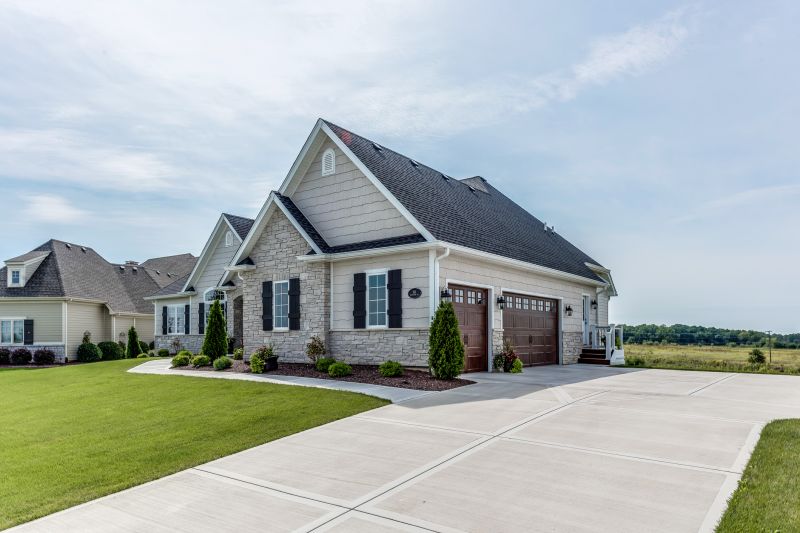
When evaluating service providers for resurfacing sidewalks, driveways, or patios, it is important to consider their experience with similar projects. Homeowners should inquire about how long a contractor has been working in the field and whether they have handled resurfacing work comparable in scope and material to the current needs. An experienced local contractor is more likely to understand the specific challenges that can arise with different surfaces and conditions, leading to a more successful and durable result. Ensuring that a service provider has a solid track record with projects similar to the one at hand can help reduce surprises and increase confidence in the quality of the work.
Clear and detailed written expectations are essential when comparing local contractors. Homeowners should seek proposals that outline the scope of work, materials to be used, and the steps involved in the resurfacing process. Having this information in writing helps prevent misunderstandings and provides a basis for comparing bids objectively. It also allows homeowners to assess whether the contractor’s approach aligns with their goals for the project. A professional contractor will be transparent about what is included and what is not, making it easier to evaluate which service provider offers the best value and clarity.
Reputable references and good communication are key factors in selecting a reliable resurfacing service provider. Homeowners should ask for references from previous clients who had similar work done, and follow up to learn about their experiences. This can provide insights into the contractor’s reliability, quality of work, and ability to meet deadlines. Additionally, effective communication throughout the process-such as responsiveness to questions and clarity in explanations-helps ensure that expectations are aligned and that any concerns are addressed promptly. Choosing a service provider who demonstrates professionalism in communication and has positive references can contribute to a smoother, more predictable project experience.
Property owners often search for signs your sidewalks, driveways, or patios need resurfacing when they are planning practical projects around their homes and businesses. Local pros provide Sidewalk, Driveway, or Patio Resurfacing services for everyday jobs and straightforward project options.
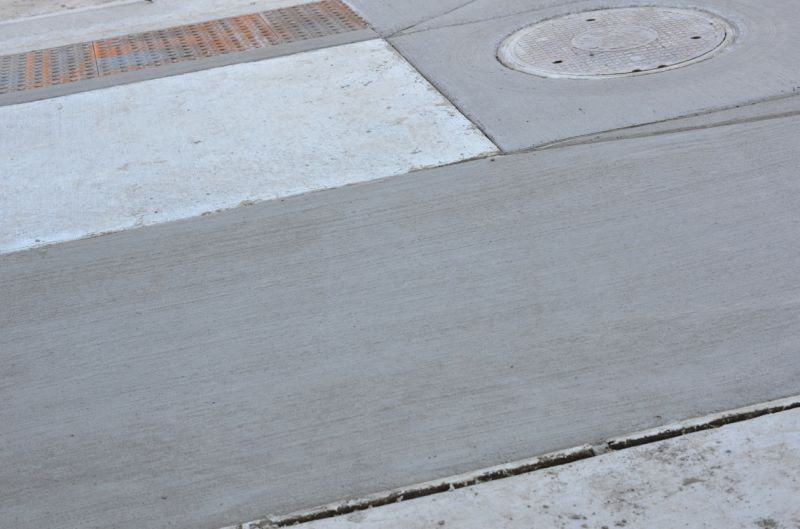
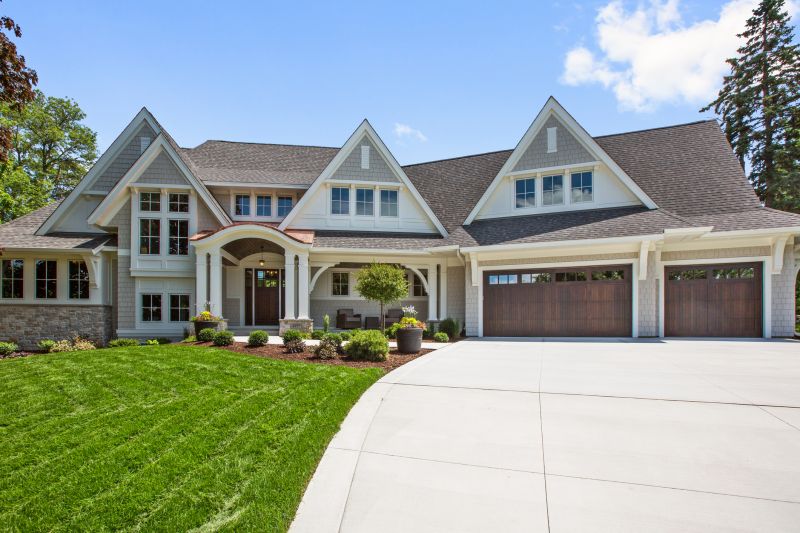
Property owners might notice cracks, uneven surfaces, or fading patterns on their sidewalks, driveways, or patios, which are common signs that resurfacing could be needed. These issues often develop over time due to regular wear and tear, exposure to the elements, or shifting ground. When such signs appear, local contractors who specialize in surface restoration can assess the condition and recommend appropriate resurfacing solutions to restore both safety and appearance.
Other indicators include surface pitting, spalling, or a general loss of smoothness that can make walking or parking difficult. Additionally, if the surface looks visibly worn or stained, it may be time to consider resurfacing to improve durability and curb appeal. Service providers in the area are equipped to handle these projects, helping property owners refresh their outdoor surfaces and extend their lifespan through professional resurfacing work.
What are common signs that sidewalks, driveways, or patios need resurfacing? Visible cracks, uneven surfaces, and surface deterioration are typical indicators that these areas may require resurfacing services from local contractors.
How can I tell if my driveway or patio has structural damage? If there are large, deep cracks, sinking sections, or significant shifting, these are signs that professional resurfacing may be necessary to restore stability.
What indicates surface wear or aging on a sidewalk, driveway, or patio? Fading colors, surface pitting, and the presence of weeds growing through cracks often suggest that resurfacing from local service providers could improve appearance and durability.
Are there visual cues that suggest resurfacing is needed for my outdoor surfaces? Discoloration, spalling, and surface roughness are visual cues that resurfacing services might be appropriate to enhance safety and aesthetics.
When should I consider resurfacing instead of replacing my outdoor concrete surfaces? Resurfacing is typically suitable when cracks and surface damage are superficial and the underlying structure remains sound, making it a practical option from local contractors.
Cracks and Gaps - When cracks or gaps appear in sidewalks, driveways, or patios, local contractors can provide resurfacing solutions to restore surface integrity.
Uneven Surfaces - Noticeable dips or uneven areas can be corrected through resurfacing services offered by experienced service providers.
Surface Wear - Signs of surface wear, such as fading or rough patches, indicate that resurfacing can refresh and extend the lifespan of outdoor surfaces.
Water Damage or Staining - Persistent water damage or staining may require resurfacing to improve appearance and prevent further deterioration.
If you are thinking about signs your sidewalks, driveways, or patios need resurfacing for a property, this guide is meant to help you understand this topic, the typical project types, and how different options might fit your plans.
When you are ready, you can use the quote form on this page to share a few details about your project. From there, local pros can review the basics and follow up with options that match what you have in mind.